MYXELLIA DESIGN SYSTEM
Turn manual property financing, installments, escrow, and wallets into a seamless fintech experience.
The Challenge
Fragmented Workflows & Legacy Friction
The real estate industry often relies on manual reconciliation for high-value transactions, leading to buyer anxiety and operational bottlenecks.
Lack of Trust: Offline payment verification delayed property securing, causing 20% more support tickets due to user uncertainty.
Design Inconsistency: Fragmented components across web and mobile led to a high volume of theming-related bugs and a disjointed user experience.
Complex Logic: Translating multi-stage financial flows (escrow, installments) into a simple, "bank-grade" interface required a robust design-to-code architecture.
The Solution
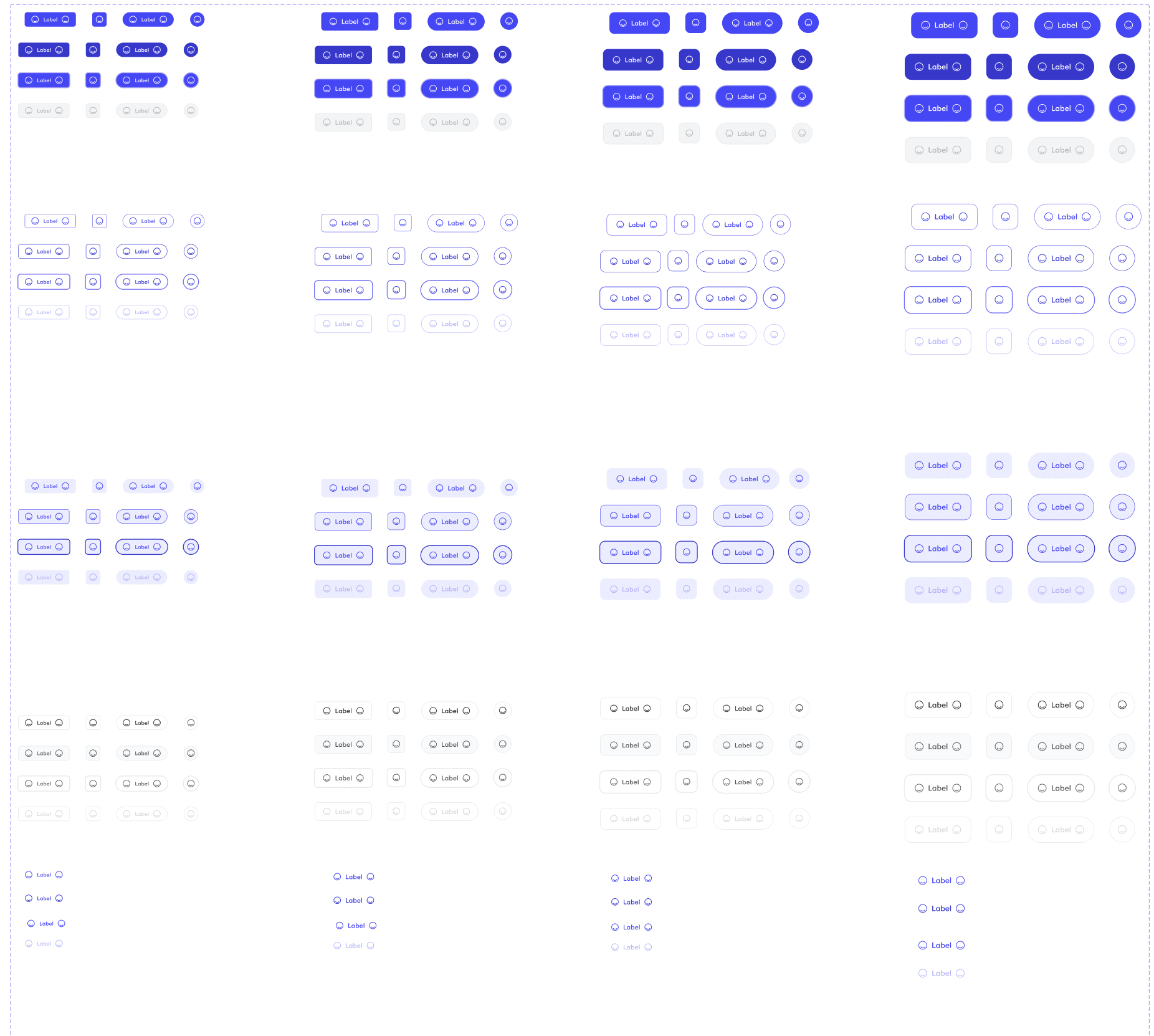
A Fintech-First Design System
I engineered a unified design language that bridged the gap between complex financial infrastructure and user-centric design.
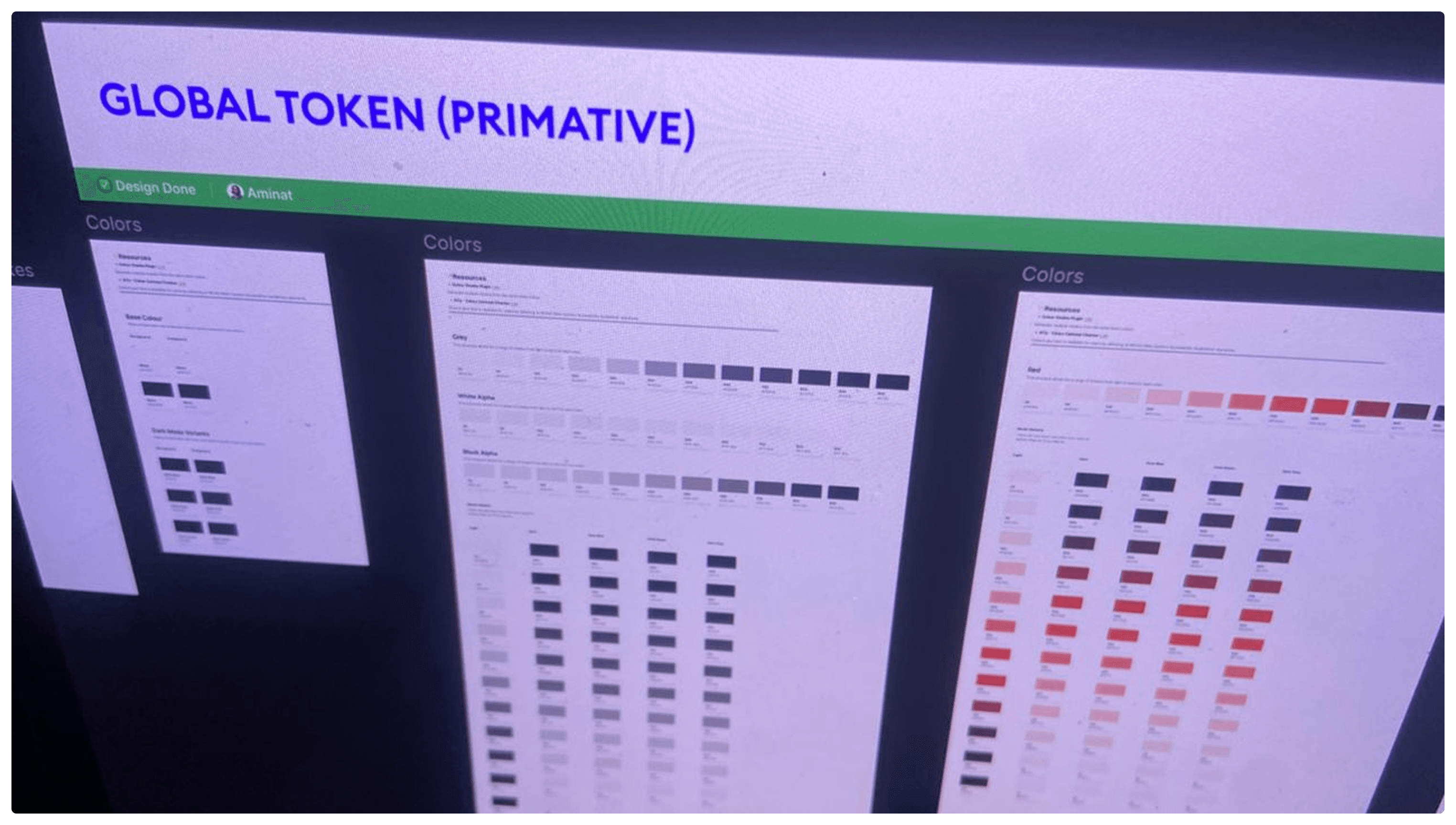
1. Engineered Theming Architecture
To support global users across various lighting conditions and devices, I built a flexible theming engine. This allowed for seamless switching between light and multiple dark modes, reducing the engineering team's theming-related bugs by 50%.
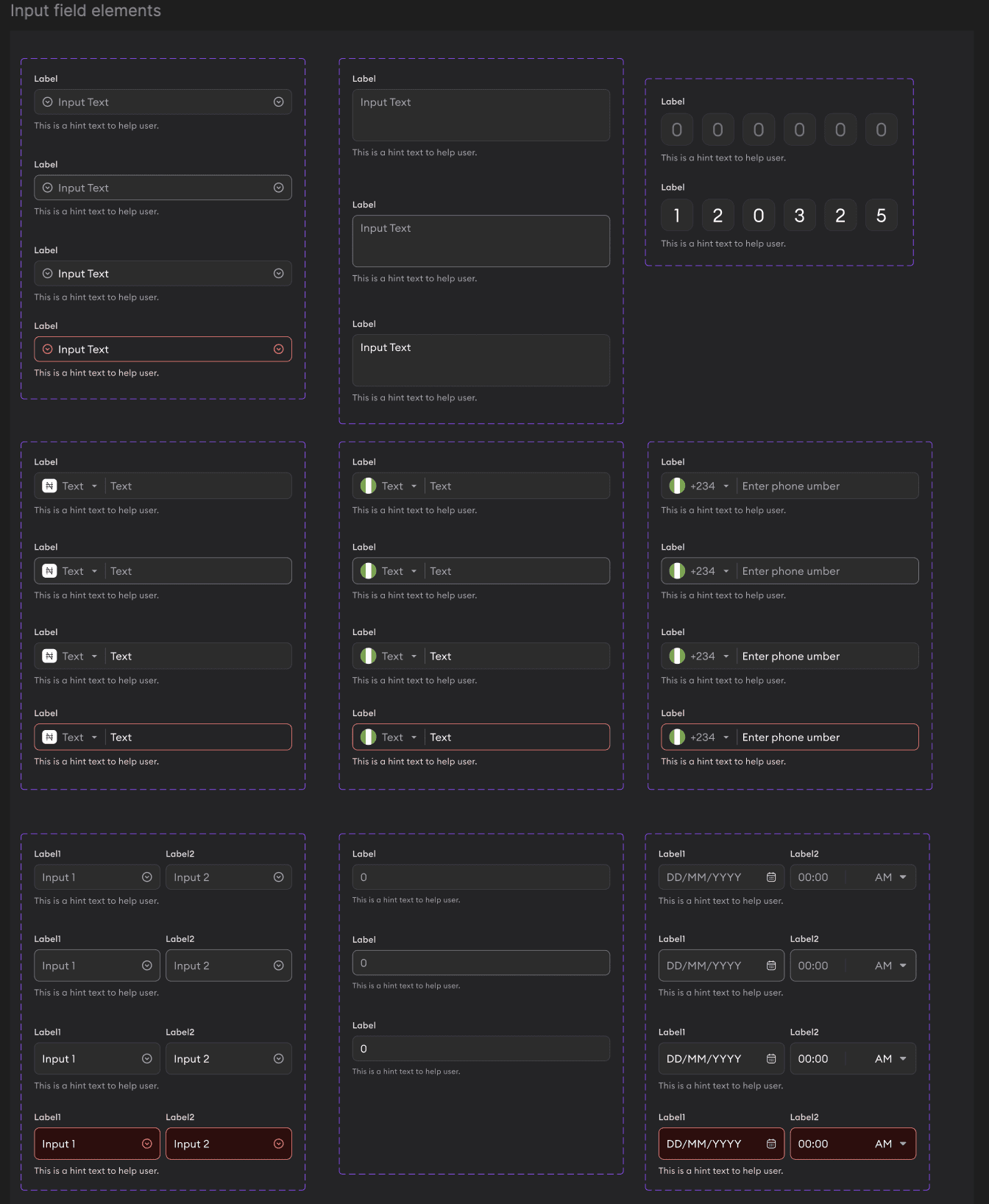
2. Specialized Fintech Components
I developed a library of "Smart Components" specifically for real estate finance:
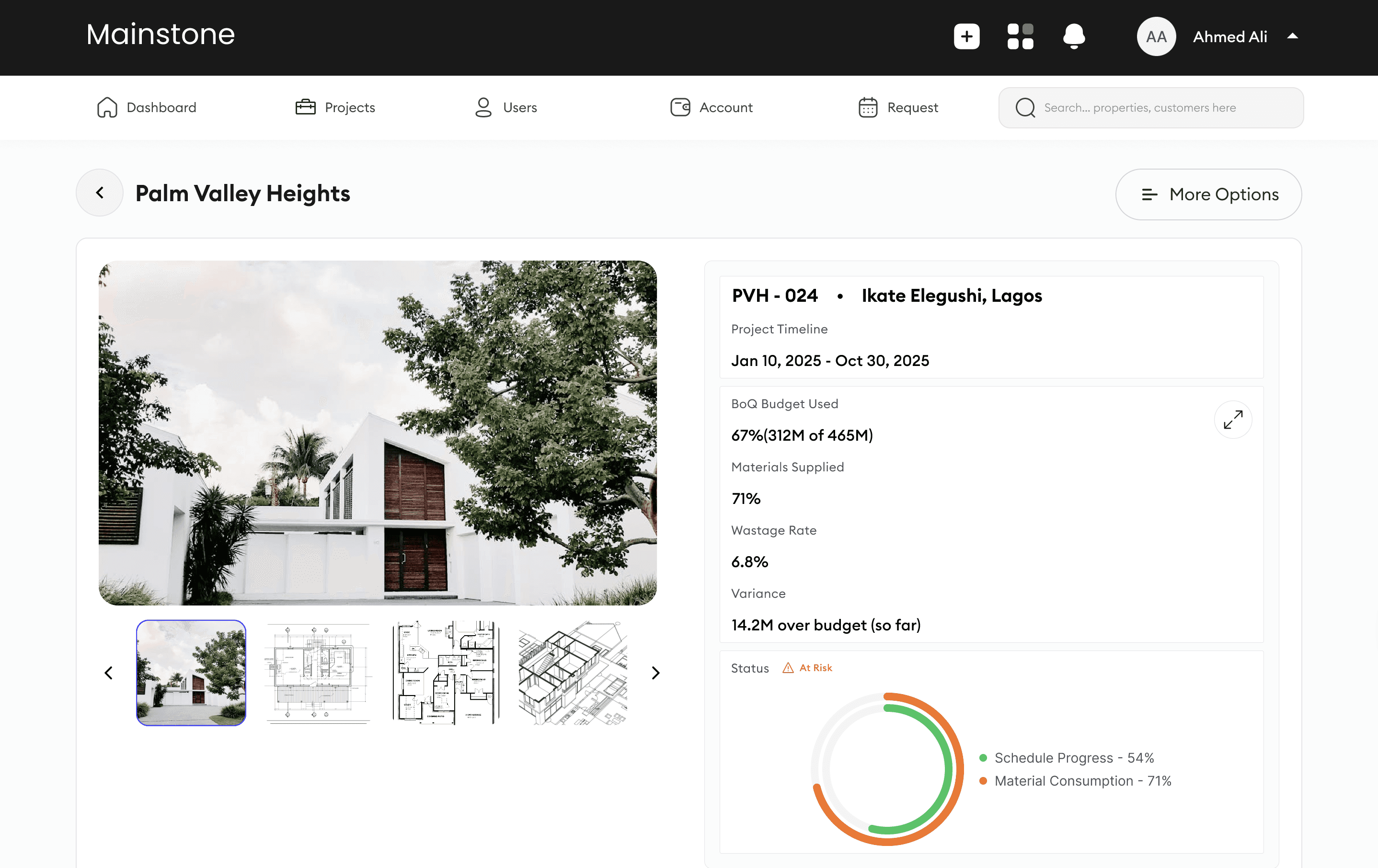
Installment Trackers: Visualizing multi-year payment plans with real-time status updates.
Secure Wallets & KYC: Streamlining verification to ensure 98% transaction accuracy.
Escrow Workflows: Modernizing manual property financing into real-time digital confirmations.
3. Data-Driven Refinement
Using a loop of qualitative research and A/B testing, we iterated on the mobile-first payment touchpoints. This resulted in a 15% uplift in user engagement, proving that reducing cognitive load directly impacts business growth.
The Impact
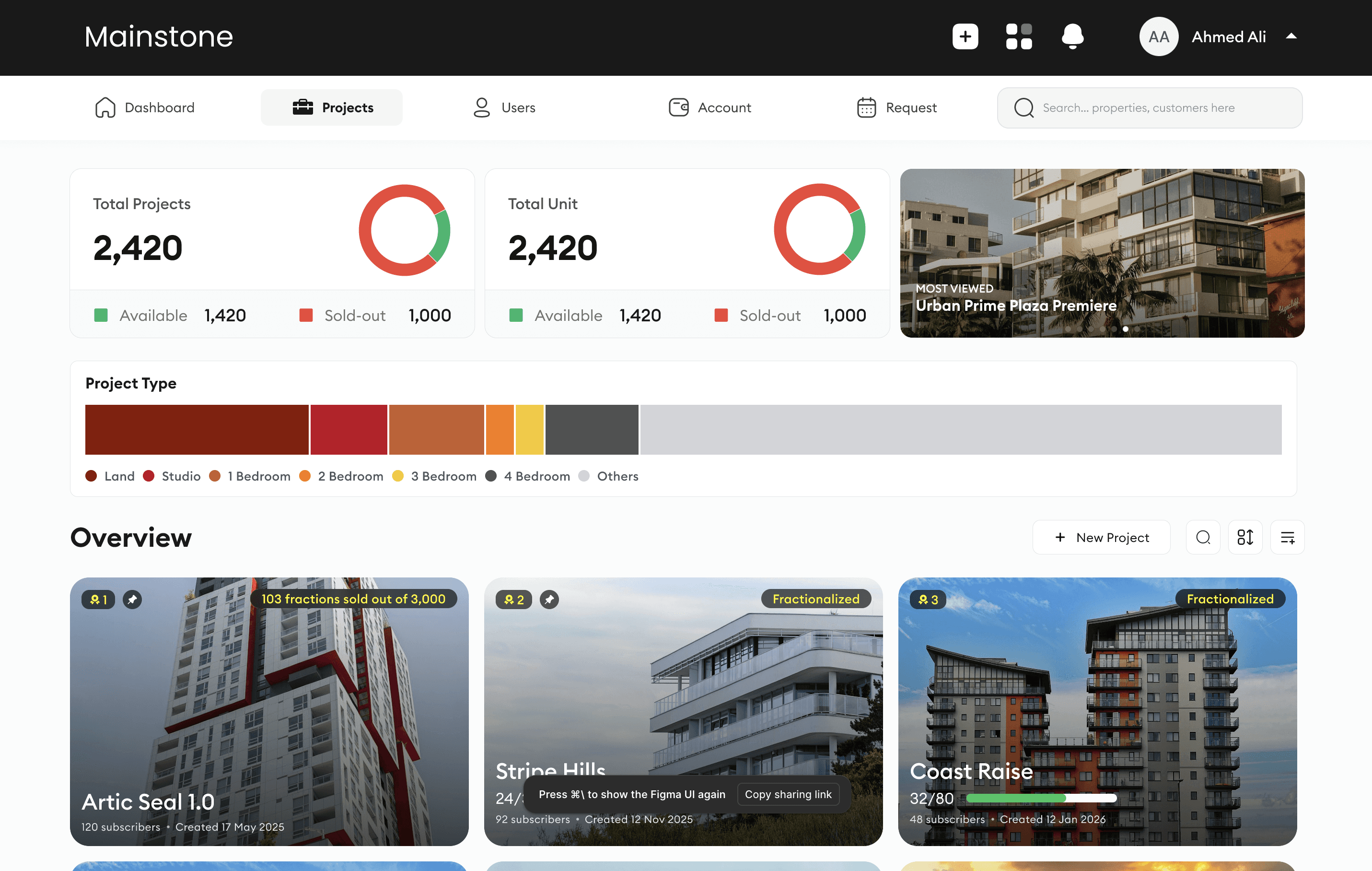
The implementation of the Myxellia Design System moved the platform from a fragmented tool to a scalable fintech infrastructure.
Operational Excellence: 200% faster payment processing through automated digital reconciliation.
Engineering Efficiency: Faster delivery times and 50% fewer visual bugs due to the unified theming architecture.
Business Growth: Improved buyer trust in high-value transactions, directly contributing to increased transaction accuracy.